

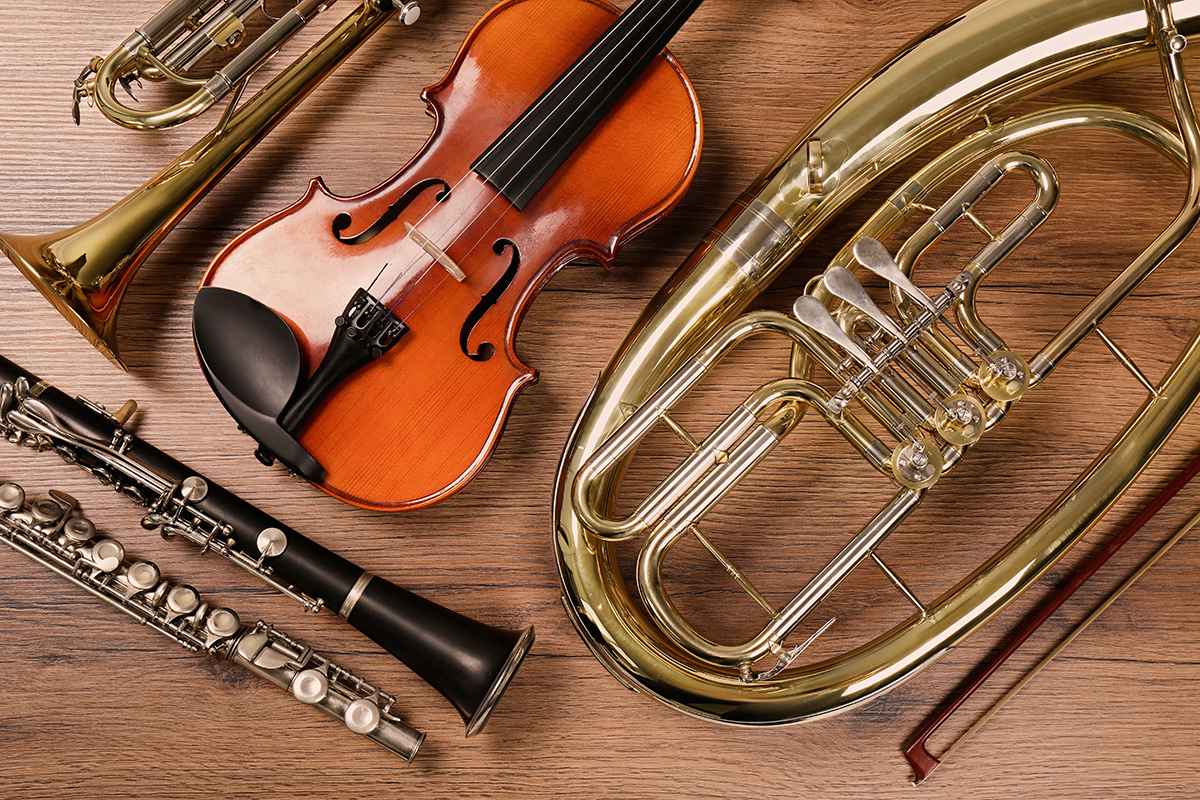
One of the most important decisions a new music student will make is choosing the right instrument to begin learning on. Whether a child is starting piano lessons, guitar lessons, or another instrument, having a suitable instrument at home can make a significant difference in progress, motivation, and overall enjoyment.
Music teachers often emphasize that the right instrument does not need to be expensive, but it should be appropriate for learning and practice. For students taking music lessons in Winnipeg, selecting the right instrument early can help build a strong musical foundation and encourage long-term success.
Why the Instrument Matters
A suitable instrument allows students to develop proper technique and good practice habits from the beginning. When an instrument is poorly designed, out of tune, or difficult to play, students may struggle unnecessarily and become discouraged.
For example, beginner guitar players often find that very inexpensive guitars can be difficult to tune and uncomfortable to play. Similarly, piano students who practice on keyboards with unweighted keys may find it harder to develop the finger strength and control required for a traditional piano.
Music instructors typically recommend instruments that provide a realistic playing experience. A properly functioning instrument helps students learn correct posture, hand positioning, and technique. When students are comfortable with their instrument, they are more likely to practice regularly and enjoy the learning process.
Matching the Instrument to the Student
Not every student needs a professional-level instrument when starting lessons. In fact, many beginner instruments are designed specifically to support early learning. What matters most is that the instrument is reliable and appropriate for the student’s age, size, and level.
For younger students, smaller instruments are often recommended. Fractional-sized violins, smaller guitars, and beginner keyboards can make learning more comfortable for children. As students grow and develop their skills, they can transition to full-sized instruments.
It is also important to consider the student’s musical interests. Some students are naturally drawn to the piano, while others may be excited about learning guitar, drums, or voice. When students feel connected to the instrument they are learning, they are more likely to stay motivated and committed to their music lessons.
Acoustic vs. Digital Instruments
In many cases, students and parents must choose between acoustic and digital versions of an instrument. For example, piano students may choose between an acoustic piano and a digital piano.
Both options can work well for beginners if the instrument meets certain quality standards. Digital pianos with weighted keys can closely replicate the feel of an acoustic piano while taking up less space and requiring less maintenance. Acoustic pianos, on the other hand, offer a traditional sound and touch that many students enjoy.
The same principle applies to other instruments. Beginner electric guitars may be easier for some students to start with than acoustic guitars, while digital drum kits can be a practical option for families who want to control volume at home.
The goal is to choose an instrument that encourages regular practice while supporting proper technique.
Quality Over Price
One common misconception is that students must purchase an expensive instrument in order to start lessons. In reality, a good beginner instrument can often be found at a reasonable price. Many music teachers recommend starting with a reliable entry-level instrument rather than the cheapest option available.
Extremely inexpensive instruments may look appealing initially, but they can sometimes create more problems than they solve. Instruments that do not stay in tune, have poor action, or produce inconsistent sound can make learning much more difficult.
Instead, instructors often recommend trusted brands or reputable used instruments. A well-maintained used instrument can provide excellent value and serve a student well for several years.
The Role of the Music Teacher
Music teachers play an important role in helping students and parents select the right instrument. Experienced instructors understand the technical requirements of learning an instrument and can recommend options that will support the student’s development.
Before purchasing an instrument, many families find it helpful to consult with their teacher. A quick conversation can help ensure the instrument meets the requirements for lessons and practice.
Teachers can also suggest reputable local music stores, rental programs, or used instruments that may be available in the community.
Supporting Long-Term Musical Growth
Choosing the right instrument at the beginning of a student’s musical journey can set the stage for long-term success. When students practice on an instrument that responds well and feels comfortable to play, they are more likely to develop confidence and continue learning.
Music lessons provide structure, guidance, and encouragement, but the instrument itself becomes the student’s daily partner in learning. With the right instrument and supportive instruction, students can steadily build their musical skills and deepen their enjoyment of music.
For families considering music lessons in Winnipeg, selecting a suitable instrument is an important first step. With the guidance of experienced instructors and a well-chosen instrument, students can begin their musical journey with confidence and excitement.