

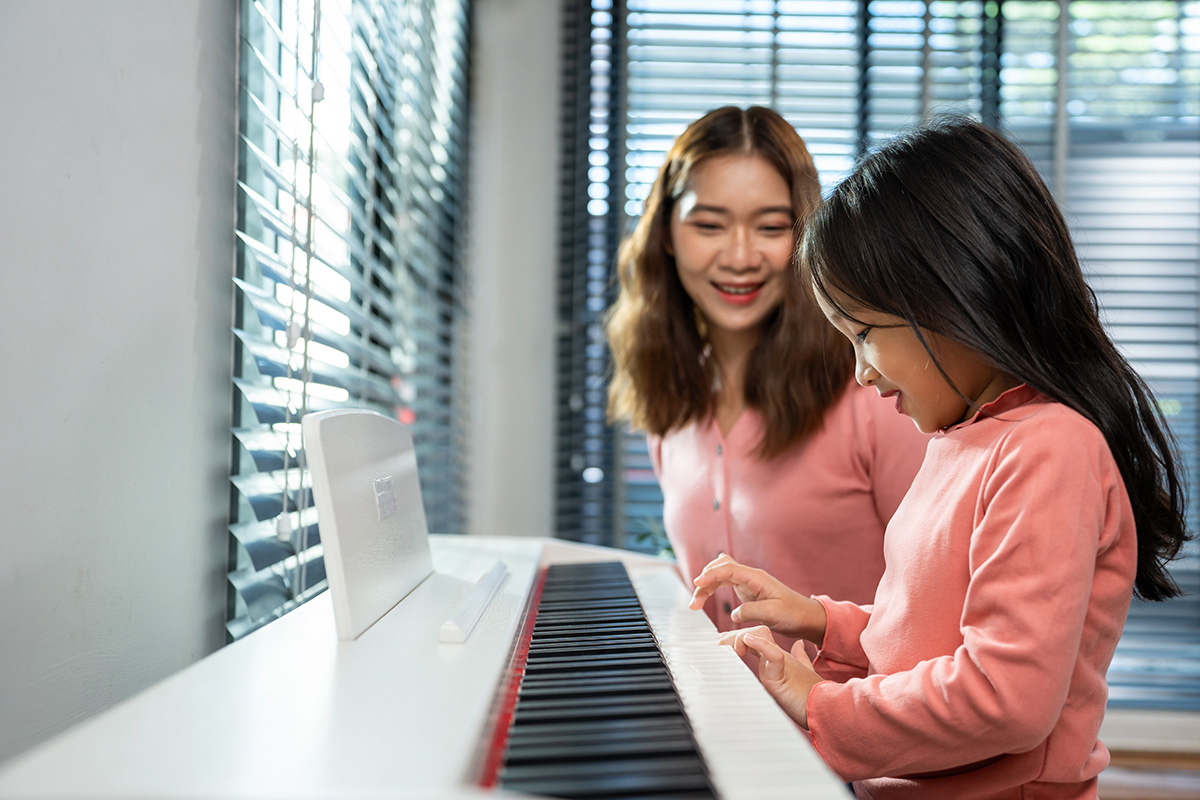
When Should My Child Start Piano Lessons?
Many parents wonder what the best age is for their child to begin piano lessons. While there is no single answer that applies to every child, most music educators agree that ages five to seven are an ideal time to start learning the piano. At this stage, children are usually able to focus, follow instructions, and begin developing the coordination needed to play an instrument.
However, every child develops at a different pace. Some children may be ready slightly earlier, while others may benefit from waiting another year or two. The most important factor is not age alone, but whether the child shows signs of readiness and interest in learning music.
Signs Your Child May Be Ready
Before starting piano lessons, it can be helpful to look for a few basic signs that your child is ready to begin learning. Children who are prepared for lessons often show curiosity about music and enjoy listening to or experimenting with sounds.
One important sign is the ability to focus for short periods of time, typically around 20–30 minutes. Piano lessons involve listening, watching demonstrations, and practicing simple exercises, so some level of attention is important.
Basic fine motor skills are also helpful. Children should be able to use their fingers independently, which allows them to begin learning simple melodies and exercises on the keyboard.
Another helpful indicator is whether the child can recognize patterns and follow simple instructions. Early piano lessons involve identifying notes, repeating rhythms, and understanding simple musical patterns.
If a child is excited about music and eager to try playing the piano, that enthusiasm can make the learning experience much more enjoyable.
Why Ages Five to Seven Work Well
Children in the five to seven age range are often at a stage where they can absorb new information quickly while still approaching learning with curiosity and excitement. They are also developing the coordination needed to control their fingers on the keyboard.
At this age, piano lessons can help children develop several important skills beyond music. These include:
- Improved concentration and listening skills
- Stronger hand-eye coordination
- Better memory and pattern recognition
- Confidence through gradual achievement
Because the piano allows students to see the notes laid out visually across the keyboard, it is often considered one of the most accessible instruments for young beginners.
Starting Earlier: Is It Possible?
Some children begin exploring music even earlier through introductory music programs or beginner piano activities. Younger children may start by learning rhythm, listening skills, and basic musical concepts before focusing on formal piano technique.
For very young students, lessons often include games, movement, and simple musical exercises designed to build a foundation for later learning.
While early exposure to music can be beneficial, formal piano instruction usually works best once a child has developed the focus and coordination needed for structured learning.
Starting Later Works Too
Parents sometimes worry that if their child does not begin piano lessons at a very young age, they may miss an important opportunity. In reality, many successful musicians begin learning later in childhood or even as teenagers.
Older beginners often progress quickly because they can concentrate for longer periods and understand musical concepts more easily. The most important ingredient for success in music lessons is consistent practice and interest, not simply starting at the earliest possible age.
Encouraging a Positive First Experience
When children start piano lessons at the right time, the experience should feel enjoyable and rewarding. Early lessons typically focus on simple melodies, rhythm exercises, and fun musical activities that build confidence.
Parents can support their child by encouraging regular practice and celebrating small achievements along the way. Even short daily practice sessions can help reinforce what students learn during their lessons.
The goal in the early stages is to help children develop a positive relationship with music that will motivate them to continue learning.
Beginning Piano Lessons in Winnipeg
For families considering piano lessons in Winnipeg, the best time to start is when a child shows curiosity about music and is ready to begin learning in a structured environment. With supportive instruction and regular practice, young students can develop musical skills while building confidence, creativity, and discipline.
Starting piano lessons is often the first step in a lifelong appreciation for music. With the right timing and encouragement, children can discover the joy of playing and expressing themselves through music.