
Tuba Lessons
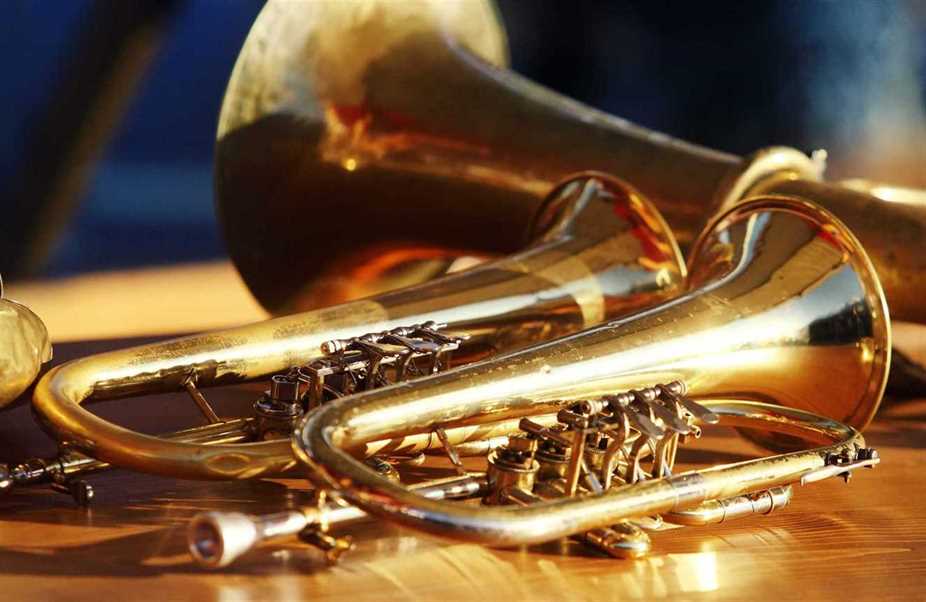
To teach the tuba, we use the Hal Leonard’s Essential Elements for Band Tuba course; there’s a lot to love about the system. The course is created for all types of learners, incorporating visual, audio, and kinesthetic elements. You’ll read through a course book, watch videos, listen to mp3s – together, they’ll take you through everything you need to learn, from reading music, to music theory, to playing whole songs. The progression through the course is incredibly natural, with each lesson compounding on the last – best of all, the course is written so that every instrument learns the same pieces, so you can get a whole band together with ease! For more advanced tubaists (or tubists; whatever you prefer!), we offer Royal Conservatory courses. Aspiring professional musicians know that the Royal Conservatory is the gold standard for professionalism, and passing the exams, while hard work, reaps many rewards. Our instructors will make sure you’re well prepared for each exam, and you’ll go in with the confidence that comes with a strong understanding of the fundamentals, a great grasp of music theory, and years of practice. Aside from these two courses, our instructors can personalize a program of study that best suits the needs of the student, whether it is to get a head start with a school band program, to reinforce and supplement a current school band program, to prepare for a university music program or just for fun!
Here at Academy Music, we want to encourage you to learn all kinds of different instruments; that’s why we’re proud to say we offer lessons in the bassiest, biggest, and boldest of the brass instruments – the tuba! We offer in-home lessons, so you can practice in an environment you’re comfortable with. This is great for parents, because you get the opportunity to watch your child develop musically, while learning confidence, physical endurance and dexterity, emotional intelligence, and reasoning skills, all while learning the new language of music! Having the lessons at home is easier to schedule, too. These lessons are also incredible for adults; learning in your home means you won’t have to rush here and there to learn music, and we’ve found that being in a place you’re at ease with makes it much easier to dive into the deep end of new musical waters.
Why learn the tuba? Well, for starters, you can’t find a brass instrument with a lower range – tubas fill out the low end of an orchestra, and add quite a bit of colour to the band. Composers use the tuba for all kinds of reasons – the instrument is surprisingly versatile! You can use it to create very sinister sounding notes; take a listen to the Jaws theme song for an example of the tuba creating dramatic tension. You can also use the tuba to sound a bit buffoonish; in it’s low-end, it can add quite a bit of comedy to a piece. Comedy and dramatic tension are about as far apart as you can get for feeling, and the tuba can play the whole range in between, adding beauty or chaos to any arrangement.
The tuba’s low register effectively makes it the bass of the brass instruments – in fact, in early jazz band, the tuba would sometimes be called the brass bass, and played outdoors, to contrast it with the string bass, which was used for indoor performances. That makes it the perfect instrument for anyone who wants to play in a rhythm section, the backbone of any band.
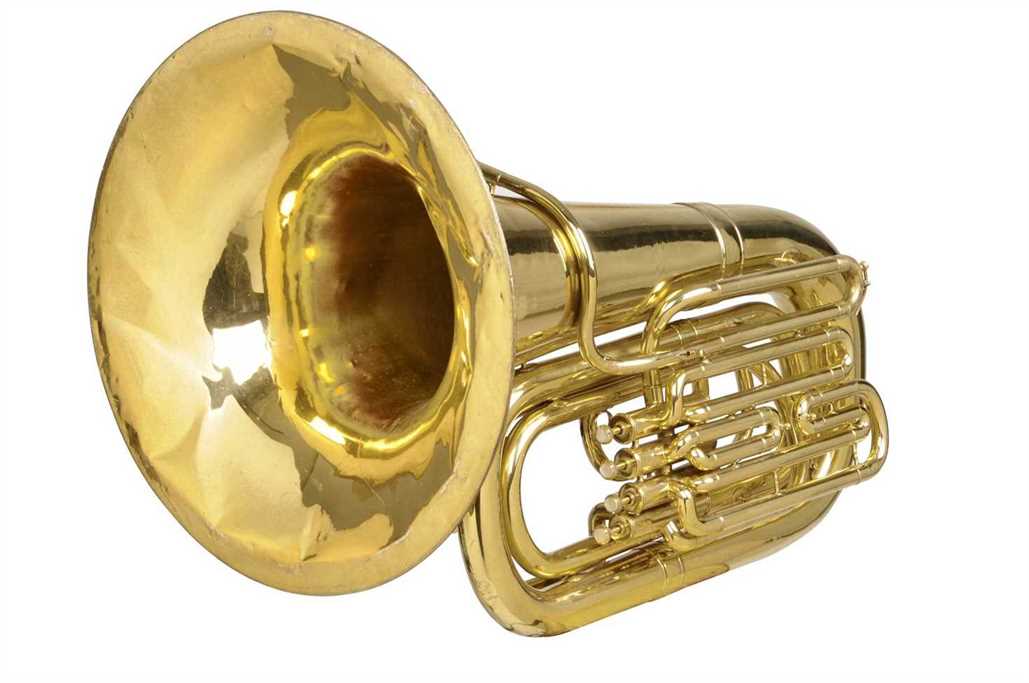 Tubas are most often used in the context of an orchestra or jazz band, but their depth means they can be used in all sorts of other musical pieces. For stripped down jazz that plays a bit like rock, check out Sons of Kemet’s Your Queen is a Reptile; the arrangements are incredibly deep, but the instruments consist of just a saxophone, a tuba, and two drums. Here, you can easily hear how much the tuba’s bassy sound adds depth to a composition. Tubas can be heard in other genres, too; you can hear the instrument in songs by the rock band Blood, Sweat, and Tears. Perhaps most surprisingly, the tuba has made waves in disco; for a prime example, check out the track “Tell You (Today)” by Loose Joints.
The tuba is a brass instrument, so it’s played by buzzing your lips against a mouthpiece. This technique is more complex than you might think at first glance; you’ll need to learn to control your airflow and build up endurance in your lungs and diaphragm. You’ll also learn a variety of fingerings; tubas use a series of tubes in order to vary their sound all up and down the chromatic scale. We can’t wait to walk with you on your journey to tuba mastery; let us be your guide!